

For years, sickle cell disease in Kenya has been treated largely as a problem concentrated in the Lake Victoria basin, Western Kenya and the Coast. But with an estimated 250,000 people living with sickle cell disease in Kenya and about 14,000 children born with the condition every year, the disease is increasingly exposing a wider weakness in the country’s health system.
That gap took centre stage on Tuesday as policymakers, clinicians, researchers, advocates and people living with sickle cell disease gathered in Nairobi for the third Global Sickle Cell Disease Conference, under the theme “Global Standards, Local Impact: Advancing Sickle Cell Care Across Systems and Communities.”
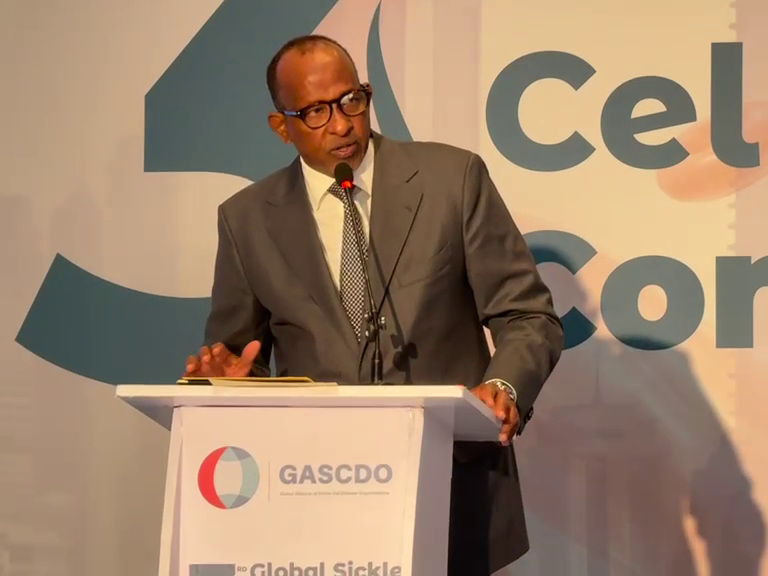
Health Cabinet Secretary Aden Duale used the opening of the conference to call for sickle cell disease to be treated not simply as a specialised medical condition, but as a national health and equity issue.
“Although the burden is highest in some regions, it is now a national concern and access to quality care should never depend on where a child is born or their family’s ability to pay,” Duale said.
Kenya has made important policy advances, including the 2023 infant screening policy, but implementation remains limited. Screening is currently being undertaken in only 17 counties, with more than 8,000 infants reached.
Against an estimated 14,000 affected births annually, that raises a difficult question, how many children are still entering childhood without knowing they have the disease?
The gap is significant because early diagnosis can determine whether a child receives preventive care before serious complications develop. Detecting the disease early allows families and health workers to monitor children, begin appropriate interventions and respond to complications before they become life-threatening.
For Duale, Kenya has been building the workforce needed for that response and more than 1,000 health workers and hundreds of Community Health Promoters have received sickle-cell training,
“The Ministry has also been expanding comprehensive care through initiatives including the Jaramogi Oginga Odinga Teaching and Referral Hospital Centre of Excellence, PEN-Plus, KETAN and IMARA Care.” He said
But training health workers is only one part of the equation. Duale acknowledged continuing gaps in medicines, diagnostics, safe blood and specialised care, while calling for a national sickle cell disease registry, universal infant screening and sustainable financing.
The financing question is particularly important because sickle cell is a lifelong condition. Recurrent hospital visits, laboratory tests, medicines and blood transfusions can place sustained financial pressure on families.
The government has said sickle cell services are being integrated into the Social Health Authority (SHA) framework, with the intention of improving access to diagnostics, essential medicines and blood transfusion while protecting families from catastrophic health costs.
Yet financing must translate into services that are available when patients need them. An insurance framework means little to a family that arrives at a health facility only to find that essential medicines are unavailable, blood is in short supply or specialised care is hundreds of kilometers away.
Without reliable national data showing where patients are, how many are being diagnosed, the complications they experience and where treatment gaps exist, health planning risks continuing to rely on estimates rather than evidence. A functional registry could help the government identify areas carrying the greatest burden and direct resources where they are most needed.
For Biba Tinga, President and CEO of the Global Alliance of Sickle Cell Disease Organizations (GASCDO), real change also requires the sickle-cell community including patients, caregivers, health professionals, researchers and advocates to work together to improve access to care.
Tinga, who is also a mother of a son living with sickle cell disease, stressed the importance of measuring progress by the experiences of patients rather than by the number of policies or programmes launched.
“The success of Kenya’s response, therefore, cannot be measured simply by the number of policies adopted or health workers trained.” She said,
According to her, it must be judged by whether children are diagnosed early, patients can consistently access treatment and blood, complications are prevented and people living with the condition can go to school, work and participate fully in society.
“The Ministry has also been expanding comprehensive care through initiatives including the Jaramogi Oginga Odinga Teaching and Referral Hospital Centre of Excellence, PEN-Plus, KETAN and IMARA Care”
— Health Cabinet Secretary Aden Duale