

Across supermarkets, television screens, and digital platforms, children are increasingly surrounded by brightly packaged foods high in sugar, salt, and unhealthy fats. From sugary cereals decorated with cartoon characters to sweetened drinks promoted through social media influencers, food marketing has become one of the biggest drivers of unhealthy eating habits among young people worldwide.
According to the World Health Organization, childhood obesity has risen dramatically over the past four decades, with over 390 million children and adolescents aged 5–19 classified as overweight in 2022.
Experts warn that aggressive marketing of unhealthy diets is fueling a silent public health crisis linked to diabetes, heart disease, and other non-communicable illnesses.
In response, countries across the world are turning to Front-of-Pack Labeling (FOPL) policies and stricter regulations on food advertising targeted at children. These warning labels, often placed prominently on food packaging, are designed to help consumers quickly identify products high in sugar, sodium, and saturated fats.
In Kenya and across Africa, the debate around unhealthy diets is gaining urgency as cases of childhood obesity and diet-related diseases continue to rise alongside undernutrition. Health experts argue that without strong policies regulating food marketing and clearer nutrition labeling, children will remain vulnerable to corporate advertising strategies that prioritize profits over health.
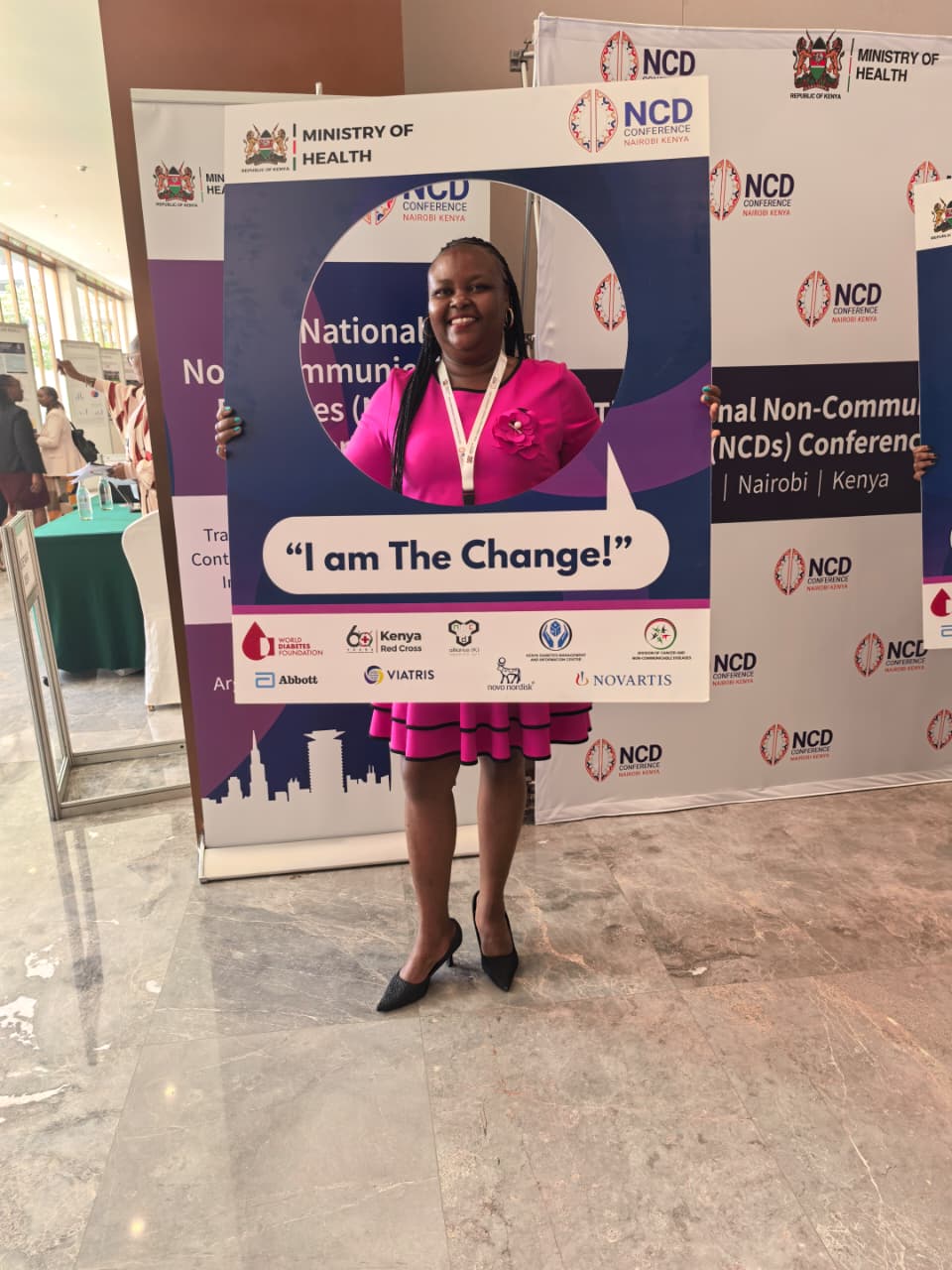
For Dr. Lilian Karoki, CNCDC, weight gain and obesity amongst children who consume fast foods and marketed junk foods predispose them to a myriad of health issues like early onset diabetes, COPD and asthma.
She says, some become inactive in school because they are heavy, stigmatized, and their self-esteem becomes low, leading to mental health issues at a young age adding that she has seen adolescents get Type 2 diabetes, not Type 1, meaning it is a lifestyle issue.
She notes that marketing tactics used by food companies continue to shape family eating habits, especially among children who are heavily exposed to advertisements and online promotions.
“Marketing tactics for junk foods always influence food choices for families because they want that feeling of FOMO and they want to be like the other elites. This is even made worse by online orders and delivery channels,” she says adding when these junk foods are discounted, accessibility and affordability become better making many families buy and consume.
Dr. Karoki further says Front-of-Pack Labeling (FOPL) could play a major role in helping families make healthier food choices while strengthening nutrition counseling efforts by healthcare workers.
“FOPL warning messages will go a long way in helping healthcare workers counsel families and communities. Just as cigarettes have many warning messages, let us have food labelled so that people make informed choices,” she says, arguing that people with low literacy levels will need some training and on-job sensitization to understand interpretation of FOPL.
According to Dr. Karoki, combining policy interventions would deliver the greatest impact in improving children’s health outcomes. All the three measures, front-of-pack labels, marketing bans, and school food standards, she says, if implemented jointly, will improve children’s health, but FOPL tops the list.
According to Brenda Ridweys, a Clinical Nutritionist at Aga Khan Medical Center-Kisii, front-of-pack labels can play a critical role in helping parents make healthier food choices for children, especially in fast-paced shopping environments where many purchasing decisions are made within seconds.
“Front-of-pack labels can be very effective in helping parents choose healthier foods for children, especially when the labels are simple, clear, and easy to interpret.” She notes.
In Kenya, Ridweys adds that many parents make quick purchasing decisions in supermarkets and shops, where key attention is mostly placed on expiry dates or eye-catching messages claiming products are healthy, nutritious, or promote brain development.
She emphasizes that warning labels or color-coded systems can help parents quickly identify foods high in sugar, salt, or unhealthy fats, although their effectiveness still depends on public awareness and nutrition education.
Ridweys further notes that while Kenya does not yet have fully enforced nutrient-profiling regulations for children’s foods, a large share of packaged foods marketed to children would likely fail healthy nutrition standards under stricter rules.
“Many commonly marketed cereals, flavored drinks, snacks, sweets, and fast foods contain high levels of added sugar, sodium, or saturated fats. The urban Kenyan food environment increasingly exposes children to these products through aggressive advertising and attractive packaging,” she explains.
According to her, front-of-pack labelling and restrictions on unhealthy food marketing should not operate in isolation but form part of broader public health interventions aimed at improving children’s nutrition.
“Front-of-pack labelling and restrictions on marketing unhealthy foods should be part of a broader public health strategy that includes nutrition education, school feeding improvements, promotion of breastfeeding and healthy complementary feeding, regulation of food advertising in media, and support for affordable healthy local foods,” says Ridweys.
She adds that in low- and middle-income countries like Kenya, these measures are most effective when combined with strong policy implementation and community awareness programs.
Ridweys also points out that families and health workers continue to face major challenges in interpreting food labels and resisting unhealthy food marketing directed at children.
“These barriers include low nutrition literacy, misleading health claims on packaging, limited time to read labels, affordability challenges, and the widespread marketing of unhealthy foods through television, social media, influencers, and even schools,” she says.
For her, in many households, cheaper processed foods are often more accessible than healthier alternatives, while health workers also struggle with limited public awareness campaigns and inconsistent nutrition policies.
According to Mary Kemunto, a registered Clinical Officer at Mediforte Hospital Kisii, evidence from global studies continues to show that restricting junk-food marketing to children significantly reduces the consumption of unhealthy products and lowers the risk of obesity.
She notes that children exposed to junk-food advertisements are more likely to develop unhealthy eating habits, increased calorie intake, and long-term lifestyle diseases.
Kemunto says countries that have adopted strict warning labels and marketing restrictions have already recorded positive outcomes.
“Chile’s mandatory warning labels and marketing ban led to a 24 percent drop in sugary drink sales within two years, while the UK estimates its advertising restrictions will remove billions of calories from children’s diets annually,” she explains.
For her, Kenya is gradually aligning with WHO recommendations through the Kenya Nutrient Profile Model, which proposes mandatory warning labels on foods high in sugar, salt, and unhealthy fats. However, she notes that major gaps still exist, especially in regulating digital marketing targeting children.
“Front-of-pack labels, marketing bans, school nutrition policies, and public awareness campaigns must work together to create a healthier food environment where healthy choices become easier for families,” Kemunto adding the biggest challenge remains industry lobbying, weak enforcement, and aggressive digital marketing tactics targeting children.
“Front-of-pack labels can be very effective in helping parents choose healthier foods for children, especially when the labels are simple, clear, and easy to interpret”
— Dr. Lilian Karoki, CNCDC during a past event
Thank you for your patience while we verify access.
Already subscribed? We’re checking this device automatically.New to ASN? Subscription is free.